Car Rental in Jaipur Drive the Fort Circuit on Your Own Schedule
★★★★★★★★★
5
4145 reviews | 844+ vendors
★★★★★★★★★
5
4145 reviews | 844+ vendors
Car Rental in Jaipur - Why the Forts Change Everything
Nahargarh Fort closes at 6pm. The road back down is a single-lane winding stretch with no lighting after dusk, and auto-rickshaws don't wait up there. If you've arrived by a shared cab or app-based ride, you're already planning your next move before you've finished exploring. This is why car rental in Jaipur works differently from most cities. The forts aren't in the city. They're above it, spread across three separate hilltops with 6 to 12 kilometres between each. Amber Fort, Jaigarh, and Nahargarh form a circuit that simply doesn't work without a car and a driver who knows to wait at the base.
Jaipur rewards travellers who move on their own schedule. The bazaars near Johari Bazaar get genuinely crowded between 11am and 2pm, Hawa Mahal is best photographed from across the street at 8am before the tour buses arrive, and the drive to Amer village is always faster via Delhi Road than through the old city lanes. A local cab booking in Jaipur gives you all of this without the negotiation at every stop. SafarCabby connects you with verified local vendors who know the Jaipur circuit - not just the monuments on a tourist map, but the timing, the parking, and the routes that actually work.
Whether you're planning a three-fort day, a run down to Ranthambore, or a wedding convoy through the Pink City, the right car makes the difference between a rushed itinerary and a complete one.
Welcome to Royal Heritage Tours, your trusted travel partner for exploring the majestic beauty, rich heritage, and vibrant culture of Rajasthan. Based in the heart of Jaipur – the Pink City – we
Plot No.59-B, Hari Nagar
Near Royal City, Kalwad Road
Taj India Trails is a trusted travel company based in Jaipur, Rajasthan, specializing in private tours, taxi services, airport transfers, and customized holiday packages across India. Our professio...
ganga vihar, 110 -111, Nangal Jaisa Bohra Rd, near saint sai nath academy, Suraj Nagar, Nirmal Vihar, Jhotwara, Jaipur, Rajasthan 302012
Explore the rich heritage, vibrant culture, and majestic architecture of the Pink City with us. Jaipur Sightseeing offers curated tours designed to make your journey memorable and hassle-free.
At Ranthambore Tour Cab, we pride ourselves on providing exceptional transportation services tailored to meet the diverse needs of travelers exploring the breathtaking landscapes of Ranthambore Nat...
Plot no 6, near Water Tank, Shivaji Nagar, Jhotwara, Jaipur, Rajasthan 302012
Welcome to Trigotrip Tour and travel agency in Jaipur | Visa and Passport Consultant in Jaipur. We provide the best tour packages (Domestic and international), Visa and Passport Consultant, Hotel B...
Shop No. 02, 37/145, Rajat Path, Sector 37, Rajat Path, Mansarovar Sector 3, Mansarovar, Jaipur, Rajasthan 302020
The Raj Travels was founded with a singular vision—to provide travelers with exceptional experiences that leave lasting memories. Established in Jaipur, the heart of Rajasthan’s vibrant culture,
At Rudra Tour and Travels, we’re more than just a travel company—we’re your trusted partner in exploring India and beyond. We operate under two distinct brands to serve every travel need. Rudra
23A,Jamuna colony, opposite Rajputana Park, near Teen Dukan, Krishna Colony
Vidyadhar Nagar
Welcome to India Taxi Service, your premium travel and wedding transportation partner based in the vibrant city of Jaipur, Rajasthan. We specialize in providing luxury wedding transportation, local...
S.No.-2, Near Beed School Khetan Hospital, Sikar Road, Jaipur, India 302039 Rajasthan
Sumit Tour & Travels is a customer friendly organization led by team of professionals in this field with vast experience to their credit.Every staff ...
Our Jaipur-based travel company, your trusted partner for exploring the rich heritage, vibrant culture, and breathtaking landscapes of Jaipur and beyond.
JoJo Travel Jaipur Bike Rental is one of the most trusted services for Bike Rental in Jaipur offering affordable and reliable two-wheeler rentals for tourists and locals. If you are looking for the...
334, Near Gulab Ji Chai,Mirza Ismail Road,Jaipur, Rajasthan 302001
ATS Cab is your reliable companion for safe, comfortable, and affordable travel across India. From airport transfers to long-distance journeys, city to...
KH 99/18-19, Block D, West Kamal Vihar Kamalpur Swami Dayanand Enclave, Burari, Pinky Chaudhary Colony, Gandhi Chowk, New Delhi, Delhi 110084
Topdeck India Tour Booking Pvt. Ltd. is a trusted name in India’s travel and tourism industry, offering professional taxi service in Jaipur, customized tour packages, and complete travel solutions ...
Welcome to Radhe Tours and Travels, the premier travel company based in Jaipur, Rajasthan. As a leading tour operator, we specialize in providing exceptional travel packages that cater to all types...
Maharana Cab, founded by the visionary Mr. Tushar Moolchandani, is dedicated to transforming your travel experience in both inter and intra-city journeys with their exceptional cab services. Cateri...
Based in the vibrant city of Jaipur, Adventure Cab Services is your go-to taxi service provider for a seamless and unforgettable travel experience. Specializing in comfortable and affordable taxi t...
Welcome to our platform, your trusted partner for an Affordable Taxi Service in Jaipur. Established in 2015 by Rukamakesh Meena, Rajasthan Taxi Rental has built a strong reputation for reliability ...
Welcome to Garvit Cabs, your reliable transportation service provider dedicated to making your travel experience seamless and enjoyable. With a divers...
Rajasthan Cab Jaipur, your trusted Jaipur-based travel partner for the past 10 years, offers a comprehensive range of transportation solutions. We cater to diverse travel needs, providing comfortab...
Shop No. 4, Gayatri Sadan, AC-4, Sawai Jai Singh Hwy, Bani Park, Jaipur, Rajasthan 302016
Welcome to Aroma of Rajasthan, your premier destination for unforgettable travel experiences in the heart of India. Specializing in exclusive Jaipur tour packages and comprehensive Rajasthan tour p...
If you are looking for a spiritual getaway or perhaps a day trip from Jaipur, Khatu Shyam Ji Temple is absolutely worth a visit! This holy site, located in the...
A good transition of the year is celebrated in Makar Sankranti in India. It takes place on January and marks the Sun moving into Capricorn (Makar Rashi), the sign of...
Imagine stepping into a world where every smile tells a story, streets burst with every colour, and the air narrates a story of laughter and ancient tales. Welcome to the...
Jaipur, also designated as the Pink City of India, has fascinated tourists from across the globe through its combination of vibrant culture and architectural magnificence. From the towering Amber Fort...
Travelling on one of the most populated intercity routes in North India; Jaipur and Delhi has become popular given it's rich culture, historical relevance, and economic activity. This means whether...
Hyderabad, famous for its vibrant culture and lively atmosphere, provides some of the most picturesque and rejuvenating road trips for enthusiasts. Self-driving car rentals in Hyderabad make planning an escape...
How Jaipur Actually Moves - and Where a Car Changes Everything
The old city is dense. Lanes near Chandpole Bazaar narrow to the width of a single vehicle, and the stretch from Badi Chaupar to Tripolia Gate can add 30 minutes to what looks like a 10-minute map route during morning hours. App-based cabs work well inside the walled city for short hops, but they don't wait. Once you're at a fort gate or inside a step-well, you're starting the search for your next ride from scratch.
The Pink City's major sightseeing points sit in three distinct zones. The walled city holds Hawa Mahal, City Palace, and Jantar Mantar. The Amer corridor - roughly 11 km north on Delhi Road - covers Amber Fort, Jaigarh Fort, and Panna Meena Ka Kund. And the Nahargarh ridge to the northwest is a world of its own after 4pm, when the light turns gold and the city spreads below you. Covering all three zones in a day on shared transport is technically possible. Covering them well, without rushing, is not.
Rent a car in Jaipur for the day, and your driver waits at Amber Fort's elephant gate while you walk the palace complex. You don't lose 45 minutes finding a ride when you come back down. That time goes back into your itinerary.
Planning Your Jaipur Itinerary Around a Car
A well-run Jaipur day starts early. Amber Fort opens at 8am, and the first two hours are genuinely quieter before the tour group buses arrive from Delhi. If you're staying in the city centre near MI Road or Civil Lines, the drive to Amer takes about 25 minutes with an early start. By the time you've done the fort, walked up to Jaigarh through the connecting tunnel, and come back down, it's around noon - and your driver is already waiting.
The afternoon works well for the walled city. Jantar Mantar, City Palace, and Hawa Mahal are all within walking distance of each other once you're parked near Tripolia Gate. Parking in this area is tight, but local drivers know the lanes behind Johari Bazaar where vehicles wait without blocking traffic. This is the kind of operational knowledge that matters more than any tourist map.
Nahargarh at sunset is the last stop. The fort road off Jaipur-Ajmer Highway turns steep after the Brahampuri area, and the final kilometre is a narrow climb. Sedans handle it fine. The views from the top over the Aravalli hills and the pink skyline below are worth the drive. Plan to leave by 6:15pm - the road back down has no street lighting.
If you're visiting during the Jaipur Literature Festival in January or the Teej Festival in August, expect the inner city roads near Diggi Palace and Tripolia Bazaar to be significantly more congested than usual. Both are worth experiencing, but they need a driver who can reroute without instruction. Booking through a verified platform means your vendor already knows the festival traffic patterns in the city.
Car Rental Prices in Jaipur
Car rental in Jaipur starts at around ₹1,200 to ₹1,500 for a hatchback on a local half-day booking and goes up based on vehicle type, duration, and whether you're heading outstation. Jaipur has a strong tourism season from October to March, and pricing during Diwali, Pushkar Fair weekend, and the Literature Festival period tends to run 15–20% higher than standard rates. Booking early during these windows makes a real difference.
Vehicle Category
Capacity
Ideal Use Case
Estimated Starting Price
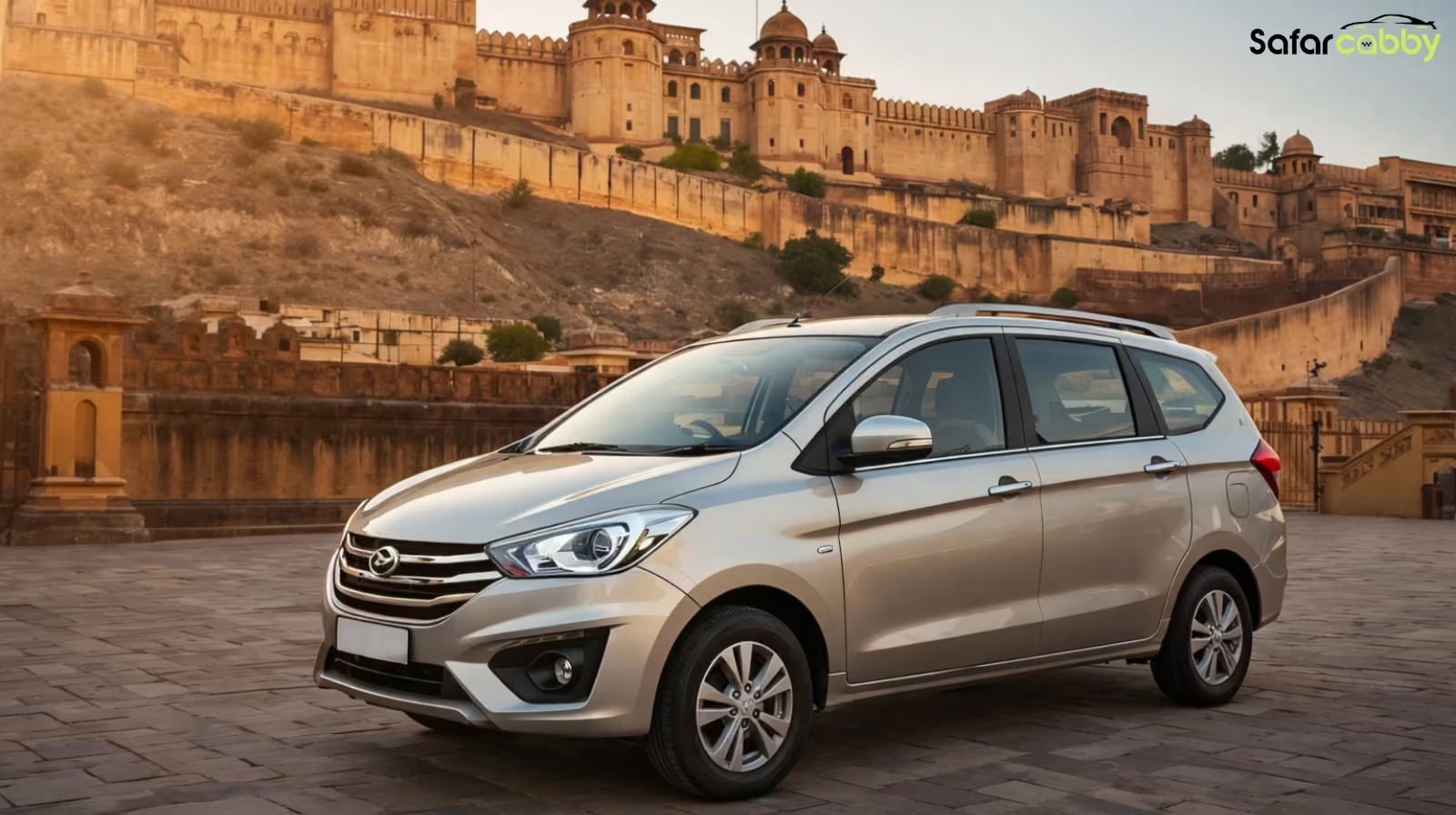
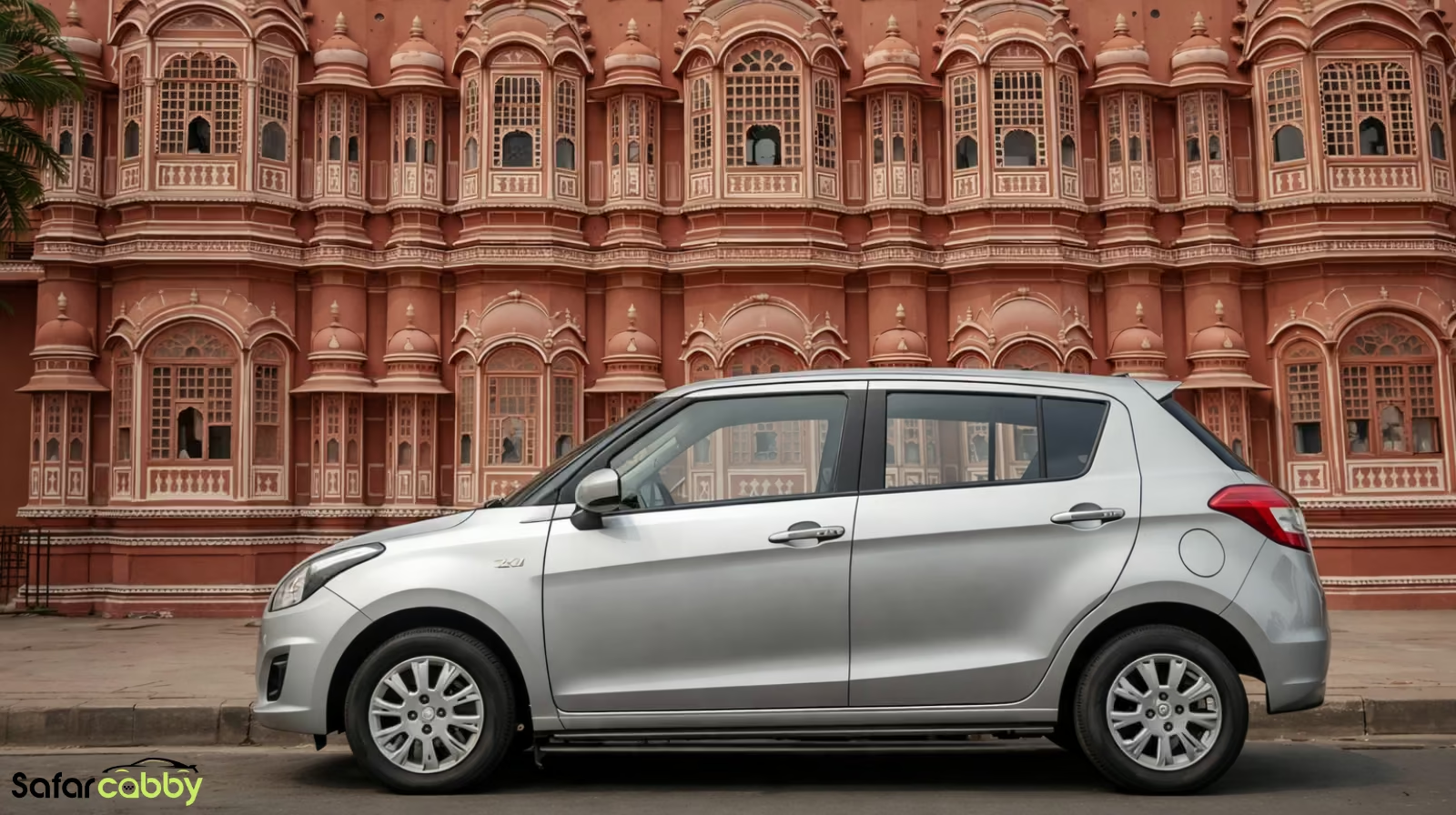
Hatchback (Swift, WagonR)
4 passengers
City sightseeing, solo or couple travel
₹1,200 – ₹1,500 / half day
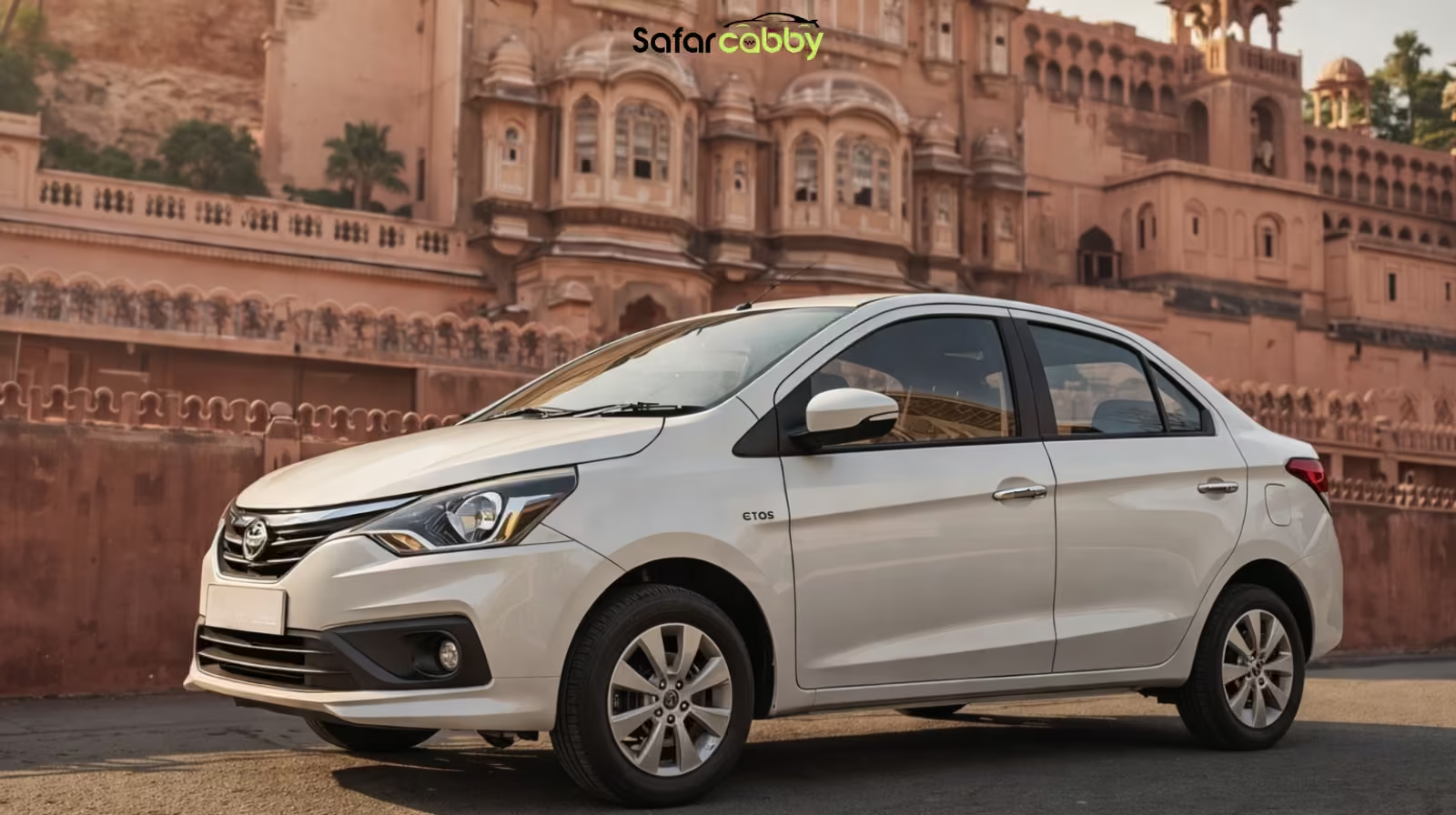
Sedan (Dzire, Etios)
4 passengers
Fort circuit, airport transfer, day outings
₹1,500 – ₹2,000 / half day
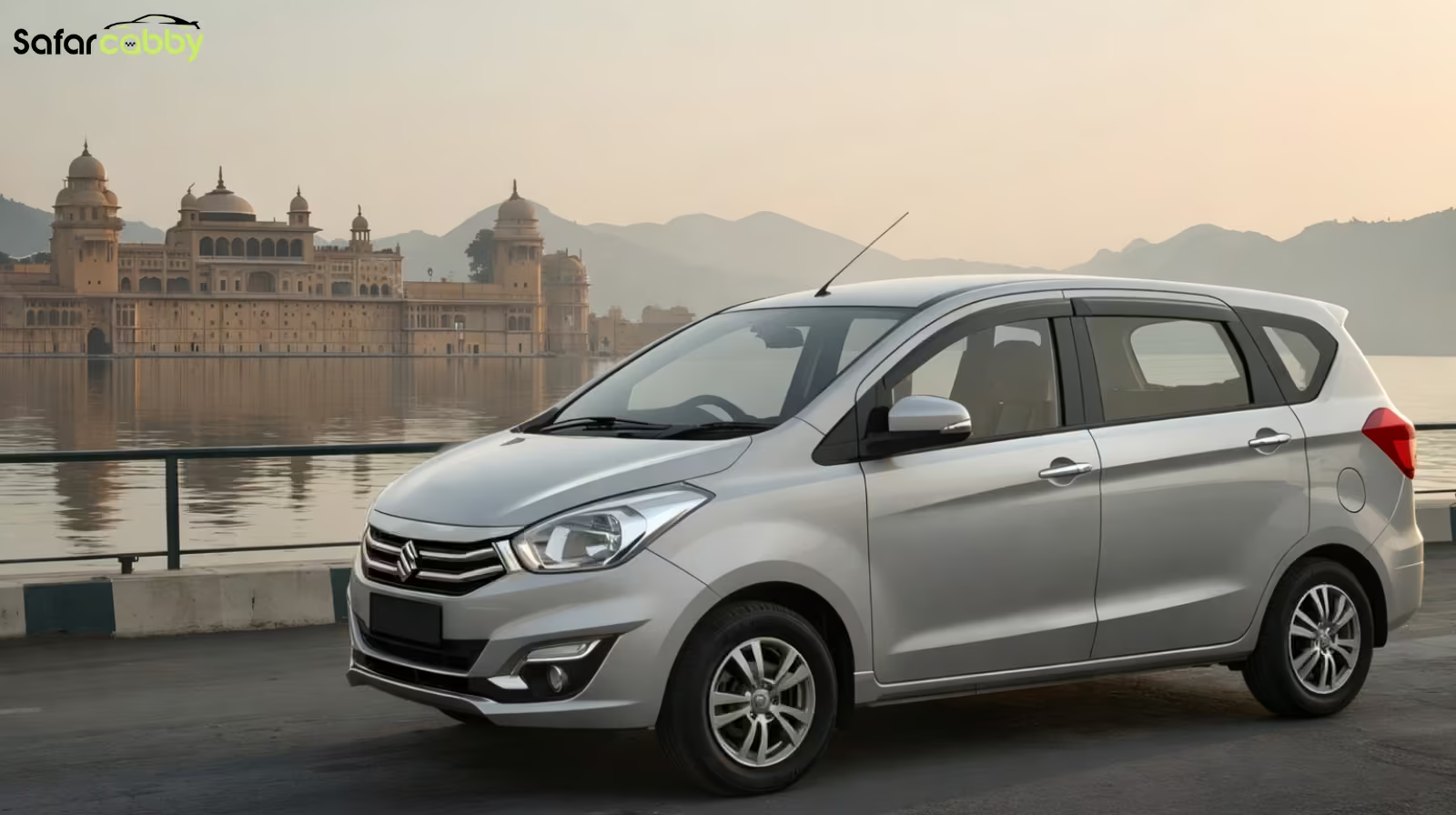
SUV (Innova Crysta, Ertiga)
6–7 passengers
Family sightseeing, Ranthambore road trip, group travel
₹2,500 – ₹3,500 / day
Tempo Traveller
12–17 passengers
Group tours, pilgrimages, corporate outings
₹5,000 – ₹8,000 / day
Luxury Sedan (Mercedes, BMW)
4 passengers
Wedding transfers, palace hotel arrivals, corporate
₹8,000 – ₹15,000 / day
Outstation pricing from Jaipur follows a per-kilometre model with a daily minimum. The Jaipur to Ranthambore route - around 180 km one way - on an Innova Crysta typically runs between ₹4,500 and ₹6,000 for a full day including waiting charges at the sanctuary. Compare options on SafarCabby to check current vendor rates before confirming your booking.
Jaipur to Ranthambore, Ajmer, and Beyond - Road Trips That Work Best by Car
The drive from Jaipur to Ranthambore National Park takes around 3.5 hours via NH52, and early departures from the city help avoid the Tonk Road outbound congestion that builds after 7:30am. Ranthambore is a tiger reserve, and safaris require a permit booked in advance - but reaching the park gate itself is the part where your transport matters most. The last 12 km from Sawai Madhopur town to the Ranthambore gate is narrow, and shared transport options from the town are limited in the early morning safari slot.
Families heading to Ranthambore from Jaipur often find SUV rental in Jaipur more practical than a sedan for this route. The road near the sanctuary has some uneven stretches, and the extra ground clearance helps on the final approach.
Ajmer is about 135 km from Jaipur via NH48, a drive that usually takes two hours. Most people combine it with Pushkar - the two towns are 14 km apart. The Dargah Sharif in Ajmer draws pilgrims year-round, and the Pushkar lake and Brahma temple circuit is best done on foot once you arrive. Parking near Pushkar Bazaar is chaotic during the Pushkar Camel Fair in November, so having a driver who waits outside the main market area is genuinely helpful.
The drive to Sariska Tiger Reserve takes about two hours via NH48. It's less crowded than Ranthambore and has a different character - the terrain is drier and the approach road through the Aravalli range is scenic in the early morning. Bharatpur's Keoladeo Bird Sanctuary is around 180 km from Jaipur via Agra Road, and it pairs naturally with a Fatehpur Sikri stop on the same day if you're heading toward Agra.
Jaipur to Ranthambore Road Trip
Ranthambore is roughly 180 km from Jaipur via NH52 and takes around 3.5 hours. The route passes through Tonk and Sawai Madhopur. Most travellers book an outstation cab from Jaipur for this trip, departing early to catch the morning safari slot at the sanctuary gate.
Jaipur to Ajmer and Pushkar
Ajmer is 135 km from Jaipur via NH48 - about a two-hour drive. Pushkar sits 14 km further. Travellers visiting the Dargah Sharif or attending the Pushkar Fair commonly rent a car from Jaipur for this day trip, combining both towns in a single outing.
Jaipur to Agra - The Golden Triangle Leg
Agra is around 240 km from Jaipur via NH21 and takes approximately 4 hours. This is one of the most heavily travelled road corridors in Rajasthan. Travellers on the Delhi-Agra-Jaipur Golden Triangle circuit frequently book a one-way cab from Jaipur to Agra rather than returning to Delhi first.
Jaipur to Jodhpur by Road
Jodhpur is about 340 km from Jaipur and takes roughly 5.5 hours via NH58. The highway passes through Ajmer and Beawar. It's a long but straightforward drive, and many travellers doing a Rajasthan circuit prefer an outstation cab from Jaipur to Jodhpur rather than taking the train, especially when carrying luggage for multiple stops.
Jaipur to Udaipur Road Trip
Udaipur is approximately 400 km from Jaipur via NH48. The drive takes around 6 hours. The route through Chittorgarh allows a stop at Chittorgarh Fort, making it a popular two-day road trip from Jaipur. Many travellers book a one-way car rental from Jaipur to Udaipur and fly back.
Jaipur to Delhi - The NH48 Run
Delhi is about 280 km from Jaipur via NH48 and takes 4.5 to 5 hours depending on Gurgaon traffic. This is one of the highest-volume intercity cab corridors in North India. One-way drop bookings are common for both business and leisure travellers.
Weekend Getaways from Jaipur by Car
Pushkar
Pushkar is 150 km from Jaipur and takes around 2.5 hours via NH48 through Ajmer. The town's lakeside ghats, Brahma temple, and camel fair in November make it one of the most popular weekend trips from Jaipur. Travellers frequently rent a car from Jaipur to cover Ajmer and Pushkar in the same day.
Sariska Tiger Reserve
Sariska is about 110 km from Jaipur via NH48 and takes roughly two hours. It's a practical weekend escape from the city - less tourist infrastructure than Ranthambore, but genuinely rewarding for wildlife enthusiasts. Booking a cab from Jaipur for Sariska means you can time your arrival for the morning safari without depending on local transport at the reserve entrance.
Bhangarh Fort
Bhangarh is around 90 km from Jaipur and sits near Alwar district. The ruined fort complex is striking, and the drive through the Aravalli foothills is part of the experience. It pairs well with a stop at the Siliserh Lake Palace near Alwar, making it a comfortable day trip by car from Jaipur.
Chittorgarh
Chittorgarh is about 310 km from Jaipur via NH48 and takes around 4.5 hours. The fort complex here is one of the largest in India and deserves a full day. It works as an overnight trip from Jaipur, with many travellers continuing to Udaipur the next day as part of a Rajasthan road trip.
Keoladeo Bird Sanctuary, Bharatpur
Bharatpur is 180 km from Jaipur via Agra Road and takes about 3 hours. The Keoladeo National Park is a UNESCO World Heritage Site and one of Asia's finest bird sanctuaries. October to February is the peak birding season. Travellers often combine Bharatpur with a Fatehpur Sikri stop on the way back, making it a natural full-day car rental from Jaipur.
Alwar and Siliserh Lake
Alwar is around 150 km from Jaipur via NH48 and takes approximately two hours. The Siliserh Lake Palace and Bala Quila fort make for a relaxed weekend. This is a good option when Ranthambore safari slots are booked, as the Sariska reserve is nearby.
Jaipur Airport Transfers and Station Pickups
Jaipur International Airport sits about 13 km from the city centre near Sanganer. The cab options outside the terminal vary significantly in quality and pricing, and pre-booked airport transfers in Jaipur are considerably more reliable than negotiating at the exit gate, especially on late-night arrivals. If your flight lands after 10pm and you have an early morning fort visit planned, having a driver waiting at the arrival gate means you're at your hotel within 30 minutes instead of spending 45 minutes sorting transport outside.
Jaipur Junction Railway Station sits in the heart of the city near Sindhi Camp. The area outside the station is congested during peak hours - roughly 7am to 9am and 5pm to 8pm - and the main exit road toward MI Road tends to back up. If you're arriving with luggage and heading to a hotel in Civil Lines or Bani Park, a pre-arranged cab booking in Jaipur saves a significant amount of time compared to finding a meter auto in that area.
How to Use a Rental Car in Jaipur - Service Types Explained
Local city rental: Best for a full day covering the fort circuit, walled city bazaars, and Nahargarh sunset. Your driver knows the parking spots near Chandpole Gate and Hawa Mahal that aren't on Google Maps. Book a half-day for airport or station transfers with a couple of city stops included.
Outstation trips: Jaipur is a natural hub for Rajasthan road travel. Ranthambore, Ajmer-Pushkar, Sariska, Jodhpur, and Udaipur are all reachable by road. Outstation bookings run on a per-kilometre model with a daily driver allowance. An Innova Crysta price in Jaipur for a Ranthambore day trip typically runs between ₹4,500 and ₹6,000 all-in.
Self drive: Jaipur has a growing base of travellers who prefer to drive themselves. The city's road layout is relatively grid-based outside the old city, and the highways to Ajmer and Delhi are well-maintained. Travellers who want to move between Amber Fort and the lesser-visited Panna Meena Ka Kund step-well at their own pace often find self drive car rental in Jaipur more practical than a scheduled cab with a waiting driver.
Group travel: Wedding convoys, family pilgrimages, and corporate sightseeing groups of ten or more travelling together find tempo traveller hire in Jaipur more economical than splitting across multiple sedans. The Jaipur-Ajmer corridor sees significant group bookings during Urs season and around Navratri.
Luxury travel: For destination weddings at palace properties like Samode Haveli or Dera Amer, luxury car rental in Jaipur covers fleet coordination for baraat processions and guest transfers. Vendors on SafarCabby who specialise in wedding fleet work in Jaipur understand the timing requirements at heritage properties - which is very different from a standard airport transfer.
One-way trips: Jaipur to Delhi, Jaipur to Agra, and Jaipur to Jodhpur are the three highest-volume one-way corridors from the city. These work particularly well for travellers on the Golden Triangle circuit who don't want to backtrack.
Off the Tourist Map - Places Around Jaipur Worth the Drive
Abhaneri is 95 km from Jaipur toward Agra on NH21. The Chand Baori step-well here is one of the most striking in Rajasthan - 13 storeys deep, with over 3,500 narrow steps in a geometric pattern that photographers chase for hours. It's 15 minutes off the main highway and genuinely uncrowded on weekday mornings. Most Jaipur itineraries skip it entirely because it's not on the standard city circuit. It is absolutely worth a detour.
Galta Ji Temple, also called the Monkey Temple, sits 10 km east of the walled city off Agra Road. The complex is built into a narrow gorge in the Aravalli hills with natural water tanks. It gets busy on weekend mornings, but a Tuesday or Wednesday visit is quiet. The road up is manageable by car, though the last 300 metres is a steep climb best done on foot from the parking area below.
Solo travellers covering the narrow lanes around Galta Ji and the Surya Mandir complex often find bike rental in Jaipur more practical than a cab for the area's tight heritage streets, especially on weekday mornings when the lanes are clear.
Sambhar Salt Lake is 80 km west of Jaipur via Phulera. It's one of the largest inland salt lakes in India and draws flamingos between October and February. The drive is flat and fast. There's no public transport to the lakeside, and it's rarely on tourist itineraries - which is exactly why it's worth going.
Outdoor Activities and Experiences Around Jaipur by Car
Hot air balloon rides over the Amber Fort area depart at sunrise, typically from a field near Amer village. Transfers to the launch site start around 5:30am, and the operator usually provides a vehicle - but if you're booking independently, having your own cab from the city ensures you're there on time without depending on a 5am app cab.
Zip-lining at Neemrana Fort Palace is a popular day trip from Jaipur. Neemrana is about 145 km via NH48 and takes roughly 2.5 hours. The activity itself is well-run, and the fort's cliff-face location makes the drive in from the highway a memorable approach. October to February is the best season for this - summer heat makes outdoor activity impractical after 10am.
Elephant experiences at Amer village have changed significantly since the full elephant ride ban. The current interactions happen on flat ground near the fort base, and they're most accessible early morning. Your driver can drop you at the village entrance and wait at the base while you walk up to the fort afterward - a 20-minute walk that most visitors find more enjoyable than the crowded jeep queue anyway.
Photography Spots in Jaipur - Where a Car Gets You There First
Hawa Mahal at 7:30am: The best angle is from the rooftop café directly across the street on Tripolia Bazaar Road. Tour buses don't arrive until 9am. A car drops you at the Badi Chaupar intersection and waits while you shoot.
Nahargarh Fort at 5pm: The light on the Aravalli hills and the pink city below is at its best in the final 90 minutes before sunset. The fort road off Jaipur-Ajmer Highway is the access point. Car access to the fort terrace makes this practical; no auto-rickshaw covers this route reliably.
Panna Meena Ka Kund at 8am: This geometric step-well near Amber Fort is almost empty before 9am and is one of the most photographed spots in Jaipur that most visitors miss. It's a 5-minute drive from the Amber Fort gate - your driver knows it.
Best Time to Rent a Car and Travel in Jaipur
October to March is the peak travel window in Jaipur. The weather is dry and cool, the forts are at their most accessible, and the Rajasthan tourism circuit is fully operational. November is particularly busy - the Pushkar Camel Fair draws large numbers, and Diwali often falls in October or November, which means road traffic on the Jaipur-Ajmer highway and outbound city roads is heavier than usual. Car rental availability in Jaipur tightens during Diwali week and the Pushkar Fair period. Booking your vehicle 3–4 days ahead during these windows is advisable.
Most people who rent a car in Jaipur during October and November find the fort circuits significantly more rewarding than during the summer months - not just because of the weather, but because the golden light in the late afternoon on the sandstone walls of Amber and Nahargarh is different from any other time of year. January brings the Jaipur Literature Festival, which fills Civil Lines and the surrounding hotel areas, adding traffic on the roads toward Diggi Palace. February through March is the quietest part of the peak season and arguably the best time to plan a road trip from Jaipur to Udaipur or Jodhpur.
April to June is hot and dry. The forts are still open, but sightseeing after 10am becomes uncomfortable. July to September is monsoon season. The Aravalli hills turn green, the roads to Sariska and Bhangarh are particularly scenic, and the step-wells fill with water. The Nahargarh road can get slippery during heavy rain - a front-wheel-drive hatchback is adequate, but an SUV gives better confidence on the wet hill road.
How much does car rental in Jaipur cost for a full day?
A full-day sedan rental in Jaipur covering local city travel typically starts at around ₹1,800 to ₹2,500, depending on the vehicle and vendor. SUV rentals for the day start from ₹2,500. Outstation trips are priced per kilometre with a daily minimum, and rates vary by season - October to March sees higher demand.
Can I get a cab from Jaipur airport late at night?
Yes, Jaipur International Airport near Sanganer has cab options outside the terminal, but pre-booked airport transfers in Jaipur are more reliable for late-night arrivals. Negotiate-on-arrival fares after 10pm tend to be inflated. A pre-booked driver through SafarCabby waits at arrivals with your name, regardless of flight delays.
What is the best car to hire for the Amber Fort and Nahargarh circuit?
A sedan handles both routes comfortably. The Nahargarh fort road is steep but paved, and a standard Dzire or Etios manages it without difficulty. For groups of 5 or more, an Ertiga or Innova Crysta is more practical. The key is booking a driver who knows to wait at the fort base rather than returning to the city.
Is self drive car rental available in Jaipur?
Yes. Self drive car rental in Jaipur is available for travellers who prefer to drive themselves. The city's main roads and highways toward Ajmer and Delhi are well-maintained. You'll need a valid driving licence, and most vendors require a security deposit. Check available self drive options on SafarCabby for current vendor listings.
How long does the drive from Jaipur to Ranthambore take?
Ranthambore is about 180 km from Jaipur via NH52 and takes around 3.5 hours. Departing before 7am helps avoid Tonk Road traffic on the outbound stretch. Most travellers book an outstation cab from Jaipur for this trip, departing early to reach the park gate before the morning safari slot closes.
Are there traffic jams I should know about when driving in Jaipur?
The stretch from Sindhi Camp to Ajmeri Gate is consistently slow between 8am and 10am. The Tonk Road outbound toward NH52 backs up after 7:30am on weekdays. The Chandpole Bazaar lane near the walled city is best avoided entirely by car - your driver will use the Chaura Rasta bypass instead. During the Literature Festival in January, Civil Lines road toward Diggi Palace adds 20 to 30 minutes to any route passing through that area.
Can I hire a tempo traveller in Jaipur for a group tour?
Yes. Tempo traveller hire in Jaipur is available for groups of 10 to 17 passengers. It's commonly used for family sightseeing circuits, wedding convoys, and group pilgrimages to Ajmer or Pushkar. Booking 3 to 4 days ahead is recommended during peak season and festival months.
What is the best way to reach Pushkar from Jaipur?
Pushkar is 150 km from Jaipur and takes about 2.5 hours via NH48 through Ajmer. Most travellers combine Ajmer and Pushkar in a single day trip by renting a car from Jaipur. The Pushkar Camel Fair in November significantly increases traffic on this route - if you're visiting during the fair, book your cab from Jaipur at least a week in advance.
How Jaipur Actually Moves - and Where a Car Changes Everything
The old city is dense. Lanes near Chandpole Bazaar narrow to the width of a single vehicle, and the stretch from Badi Chaupar to Tripolia Gate can add 30 minutes to what looks like a 10-minute map route during morning hours. App-based cabs work well inside the walled city for short hops, but they don't wait. Once you're at a fort gate or inside a step-well, you're starting the search for your next ride from scratch.
The Pink City's major sightseeing points sit in three distinct zones. The walled city holds Hawa Mahal, City Palace, and Jantar Mantar. The Amer corridor - roughly 11 km north on Delhi Road - covers Amber Fort, Jaigarh Fort, and Panna Meena Ka Kund. And the Nahargarh ridge to the northwest is a world of its own after 4pm, when the light turns gold and the city spreads below you. Covering all three zones in a day on shared transport is technically possible. Covering them well, without rushing, is not.
Rent a car in Jaipur for the day, and your driver waits at Amber Fort's elephant gate while you walk the palace complex. You don't lose 45 minutes finding a ride when you come back down. That time goes back into your itinerary.
Planning Your Jaipur Itinerary Around a Car
A well-run Jaipur day starts early. Amber Fort opens at 8am, and the first two hours are genuinely quieter before the tour group buses arrive from Delhi. If you're staying in the city centre near MI Road or Civil Lines, the drive to Amer takes about 25 minutes with an early start. By the time you've done the fort, walked up to Jaigarh through the connecting tunnel, and come back down, it's around noon - and your driver is already waiting.
The afternoon works well for the walled city. Jantar Mantar, City Palace, and Hawa Mahal are all within walking distance of each other once you're parked near Tripolia Gate. Parking in this area is tight, but local drivers know the lanes behind Johari Bazaar where vehicles wait without blocking traffic. This is the kind of operational knowledge that matters more than any tourist map.
Nahargarh at sunset is the last stop. The fort road off Jaipur-Ajmer Highway turns steep after the Brahampuri area, and the final kilometre is a narrow climb. Sedans handle it fine. The views from the top over the Aravalli hills and the pink skyline below are worth the drive. Plan to leave by 6:15pm - the road back down has no street lighting.
If you're visiting during the Jaipur Literature Festival in January or the Teej Festival in August, expect the inner city roads near Diggi Palace and Tripolia Bazaar to be significantly more congested than usual. Both are worth experiencing, but they need a driver who can reroute without instruction. Booking through a verified platform means your vendor already knows the festival traffic patterns in the city.
Car Rental Prices in Jaipur
Car rental in Jaipur starts at around ₹1,200 to ₹1,500 for a hatchback on a local half-day booking and goes up based on vehicle type, duration, and whether you're heading outstation. Jaipur has a strong tourism season from October to March, and pricing during Diwali, Pushkar Fair weekend, and the Literature Festival period tends to run 15–20% higher than standard rates. Booking early during these windows makes a real difference.
Vehicle Category
Capacity
Ideal Use Case
Estimated Starting Price
Hatchback (Swift, WagonR)
4 passengers
City sightseeing, solo or couple travel
₹1,200 – ₹1,500 / half day
Sedan (Dzire, Etios)
4 passengers
Fort circuit, airport transfer, day outings
₹1,500 – ₹2,000 / half day
SUV (Innova Crysta, Ertiga)
6–7 passengers
Family sightseeing, Ranthambore road trip, group travel
₹2,500 – ₹3,500 / day
Tempo Traveller
12–17 passengers
Group tours, pilgrimages, corporate outings
₹5,000 – ₹8,000 / day
Luxury Sedan (Mercedes, BMW)
4 passengers
Wedding transfers, palace hotel arrivals, corporate
₹8,000 – ₹15,000 / day
Outstation pricing from Jaipur follows a per-kilometre model with a daily minimum. The Jaipur to Ranthambore route - around 180 km one way - on an Innova Crysta typically runs between ₹4,500 and ₹6,000 for a full day including waiting charges at the sanctuary. Compare options on SafarCabby to check current vendor rates before confirming your booking.
Jaipur to Ranthambore, Ajmer, and Beyond - Road Trips That Work Best by Car
The drive from Jaipur to Ranthambore National Park takes around 3.5 hours via NH52, and early departures from the city help avoid the Tonk Road outbound congestion that builds after 7:30am. Ranthambore is a tiger reserve, and safaris require a permit booked in advance - but reaching the park gate itself is the part where your transport matters most. The last 12 km from Sawai Madhopur town to the Ranthambore gate is narrow, and shared transport options from the town are limited in the early morning safari slot.
Families heading to Ranthambore from Jaipur often find SUV rental in Jaipur more practical than a sedan for this route. The road near the sanctuary has some uneven stretches, and the extra ground clearance helps on the final approach.
Ajmer is about 135 km from Jaipur via NH48, a drive that usually takes two hours. Most people combine it with Pushkar - the two towns are 14 km apart. The Dargah Sharif in Ajmer draws pilgrims year-round, and the Pushkar lake and Brahma temple circuit is best done on foot once you arrive. Parking near Pushkar Bazaar is chaotic during the Pushkar Camel Fair in November, so having a driver who waits outside the main market area is genuinely helpful.
The drive to Sariska Tiger Reserve takes about two hours via NH48. It's less crowded than Ranthambore and has a different character - the terrain is drier and the approach road through the Aravalli range is scenic in the early morning. Bharatpur's Keoladeo Bird Sanctuary is around 180 km from Jaipur via Agra Road, and it pairs naturally with a Fatehpur Sikri stop on the same day if you're heading toward Agra.
Jaipur to Ranthambore Road Trip
Ranthambore is roughly 180 km from Jaipur via NH52 and takes around 3.5 hours. The route passes through Tonk and Sawai Madhopur. Most travellers book an outstation cab from Jaipur for this trip, departing early to catch the morning safari slot at the sanctuary gate.
Jaipur to Ajmer and Pushkar
Ajmer is 135 km from Jaipur via NH48 - about a two-hour drive. Pushkar sits 14 km further. Travellers visiting the Dargah Sharif or attending the Pushkar Fair commonly rent a car from Jaipur for this day trip, combining both towns in a single outing.
Jaipur to Agra - The Golden Triangle Leg
Agra is around 240 km from Jaipur via NH21 and takes approximately 4 hours. This is one of the most heavily travelled road corridors in Rajasthan. Travellers on the Delhi-Agra-Jaipur Golden Triangle circuit frequently book a one-way cab from Jaipur to Agra rather than returning to Delhi first.
Jaipur to Jodhpur by Road
Jodhpur is about 340 km from Jaipur and takes roughly 5.5 hours via NH58. The highway passes through Ajmer and Beawar. It's a long but straightforward drive, and many travellers doing a Rajasthan circuit prefer an outstation cab from Jaipur to Jodhpur rather than taking the train, especially when carrying luggage for multiple stops.
Jaipur to Udaipur Road Trip
Udaipur is approximately 400 km from Jaipur via NH48. The drive takes around 6 hours. The route through Chittorgarh allows a stop at Chittorgarh Fort, making it a popular two-day road trip from Jaipur. Many travellers book a one-way car rental from Jaipur to Udaipur and fly back.
Jaipur to Delhi - The NH48 Run
Delhi is about 280 km from Jaipur via NH48 and takes 4.5 to 5 hours depending on Gurgaon traffic. This is one of the highest-volume intercity cab corridors in North India. One-way drop bookings are common for both business and leisure travellers.
Weekend Getaways from Jaipur by Car
Pushkar
Pushkar is 150 km from Jaipur and takes around 2.5 hours via NH48 through Ajmer. The town's lakeside ghats, Brahma temple, and camel fair in November make it one of the most popular weekend trips from Jaipur. Travellers frequently rent a car from Jaipur to cover Ajmer and Pushkar in the same day.
Sariska Tiger Reserve
Sariska is about 110 km from Jaipur via NH48 and takes roughly two hours. It's a practical weekend escape from the city - less tourist infrastructure than Ranthambore, but genuinely rewarding for wildlife enthusiasts. Booking a cab from Jaipur for Sariska means you can time your arrival for the morning safari without depending on local transport at the reserve entrance.
Bhangarh Fort
Bhangarh is around 90 km from Jaipur and sits near Alwar district. The ruined fort complex is striking, and the drive through the Aravalli foothills is part of the experience. It pairs well with a stop at the Siliserh Lake Palace near Alwar, making it a comfortable day trip by car from Jaipur.
Chittorgarh
Chittorgarh is about 310 km from Jaipur via NH48 and takes around 4.5 hours. The fort complex here is one of the largest in India and deserves a full day. It works as an overnight trip from Jaipur, with many travellers continuing to Udaipur the next day as part of a Rajasthan road trip.
Keoladeo Bird Sanctuary, Bharatpur
Bharatpur is 180 km from Jaipur via Agra Road and takes about 3 hours. The Keoladeo National Park is a UNESCO World Heritage Site and one of Asia's finest bird sanctuaries. October to February is the peak birding season. Travellers often combine Bharatpur with a Fatehpur Sikri stop on the way back, making it a natural full-day car rental from Jaipur.
Alwar and Siliserh Lake
Alwar is around 150 km from Jaipur via NH48 and takes approximately two hours. The Siliserh Lake Palace and Bala Quila fort make for a relaxed weekend. This is a good option when Ranthambore safari slots are booked, as the Sariska reserve is nearby.
Jaipur Airport Transfers and Station Pickups
Jaipur International Airport sits about 13 km from the city centre near Sanganer. The cab options outside the terminal vary significantly in quality and pricing, and pre-booked airport transfers in Jaipur are considerably more reliable than negotiating at the exit gate, especially on late-night arrivals. If your flight lands after 10pm and you have an early morning fort visit planned, having a driver waiting at the arrival gate means you're at your hotel within 30 minutes instead of spending 45 minutes sorting transport outside.
Jaipur Junction Railway Station sits in the heart of the city near Sindhi Camp. The area outside the station is congested during peak hours - roughly 7am to 9am and 5pm to 8pm - and the main exit road toward MI Road tends to back up. If you're arriving with luggage and heading to a hotel in Civil Lines or Bani Park, a pre-arranged cab booking in Jaipur saves a significant amount of time compared to finding a meter auto in that area.
How to Use a Rental Car in Jaipur - Service Types Explained
Local city rental: Best for a full day covering the fort circuit, walled city bazaars, and Nahargarh sunset. Your driver knows the parking spots near Chandpole Gate and Hawa Mahal that aren't on Google Maps. Book a half-day for airport or station transfers with a couple of city stops included.
Outstation trips: Jaipur is a natural hub for Rajasthan road travel. Ranthambore, Ajmer-Pushkar, Sariska, Jodhpur, and Udaipur are all reachable by road. Outstation bookings run on a per-kilometre model with a daily driver allowance. An Innova Crysta price in Jaipur for a Ranthambore day trip typically runs between ₹4,500 and ₹6,000 all-in.
Self drive: Jaipur has a growing base of travellers who prefer to drive themselves. The city's road layout is relatively grid-based outside the old city, and the highways to Ajmer and Delhi are well-maintained. Travellers who want to move between Amber Fort and the lesser-visited Panna Meena Ka Kund step-well at their own pace often find self drive car rental in Jaipur more practical than a scheduled cab with a waiting driver.
Group travel: Wedding convoys, family pilgrimages, and corporate sightseeing groups of ten or more travelling together find tempo traveller hire in Jaipur more economical than splitting across multiple sedans. The Jaipur-Ajmer corridor sees significant group bookings during Urs season and around Navratri.
Luxury travel: For destination weddings at palace properties like Samode Haveli or Dera Amer, luxury car rental in Jaipur covers fleet coordination for baraat processions and guest transfers. Vendors on SafarCabby who specialise in wedding fleet work in Jaipur understand the timing requirements at heritage properties - which is very different from a standard airport transfer.
One-way trips: Jaipur to Delhi, Jaipur to Agra, and Jaipur to Jodhpur are the three highest-volume one-way corridors from the city. These work particularly well for travellers on the Golden Triangle circuit who don't want to backtrack.
Off the Tourist Map - Places Around Jaipur Worth the Drive
Abhaneri is 95 km from Jaipur toward Agra on NH21. The Chand Baori step-well here is one of the most striking in Rajasthan - 13 storeys deep, with over 3,500 narrow steps in a geometric pattern that photographers chase for hours. It's 15 minutes off the main highway and genuinely uncrowded on weekday mornings. Most Jaipur itineraries skip it entirely because it's not on the standard city circuit. It is absolutely worth a detour.
Galta Ji Temple, also called the Monkey Temple, sits 10 km east of the walled city off Agra Road. The complex is built into a narrow gorge in the Aravalli hills with natural water tanks. It gets busy on weekend mornings, but a Tuesday or Wednesday visit is quiet. The road up is manageable by car, though the last 300 metres is a steep climb best done on foot from the parking area below.
Solo travellers covering the narrow lanes around Galta Ji and the Surya Mandir complex often find bike rental in Jaipur more practical than a cab for the area's tight heritage streets, especially on weekday mornings when the lanes are clear.
Sambhar Salt Lake is 80 km west of Jaipur via Phulera. It's one of the largest inland salt lakes in India and draws flamingos between October and February. The drive is flat and fast. There's no public transport to the lakeside, and it's rarely on tourist itineraries - which is exactly why it's worth going.
Outdoor Activities and Experiences Around Jaipur by Car
Hot air balloon rides over the Amber Fort area depart at sunrise, typically from a field near Amer village. Transfers to the launch site start around 5:30am, and the operator usually provides a vehicle - but if you're booking independently, having your own cab from the city ensures you're there on time without depending on a 5am app cab.
Zip-lining at Neemrana Fort Palace is a popular day trip from Jaipur. Neemrana is about 145 km via NH48 and takes roughly 2.5 hours. The activity itself is well-run, and the fort's cliff-face location makes the drive in from the highway a memorable approach. October to February is the best season for this - summer heat makes outdoor activity impractical after 10am.
Elephant experiences at Amer village have changed significantly since the full elephant ride ban. The current interactions happen on flat ground near the fort base, and they're most accessible early morning. Your driver can drop you at the village entrance and wait at the base while you walk up to the fort afterward - a 20-minute walk that most visitors find more enjoyable than the crowded jeep queue anyway.
Photography Spots in Jaipur - Where a Car Gets You There First
Hawa Mahal at 7:30am: The best angle is from the rooftop café directly across the street on Tripolia Bazaar Road. Tour buses don't arrive until 9am. A car drops you at the Badi Chaupar intersection and waits while you shoot.
Nahargarh Fort at 5pm: The light on the Aravalli hills and the pink city below is at its best in the final 90 minutes before sunset. The fort road off Jaipur-Ajmer Highway is the access point. Car access to the fort terrace makes this practical; no auto-rickshaw covers this route reliably.
Panna Meena Ka Kund at 8am: This geometric step-well near Amber Fort is almost empty before 9am and is one of the most photographed spots in Jaipur that most visitors miss. It's a 5-minute drive from the Amber Fort gate - your driver knows it.
Best Time to Rent a Car and Travel in Jaipur
October to March is the peak travel window in Jaipur. The weather is dry and cool, the forts are at their most accessible, and the Rajasthan tourism circuit is fully operational. November is particularly busy - the Pushkar Camel Fair draws large numbers, and Diwali often falls in October or November, which means road traffic on the Jaipur-Ajmer highway and outbound city roads is heavier than usual. Car rental availability in Jaipur tightens during Diwali week and the Pushkar Fair period. Booking your vehicle 3–4 days ahead during these windows is advisable.
Most people who rent a car in Jaipur during October and November find the fort circuits significantly more rewarding than during the summer months - not just because of the weather, but because the golden light in the late afternoon on the sandstone walls of Amber and Nahargarh is different from any other time of year. January brings the Jaipur Literature Festival, which fills Civil Lines and the surrounding hotel areas, adding traffic on the roads toward Diggi Palace. February through March is the quietest part of the peak season and arguably the best time to plan a road trip from Jaipur to Udaipur or Jodhpur.
April to June is hot and dry. The forts are still open, but sightseeing after 10am becomes uncomfortable. July to September is monsoon season. The Aravalli hills turn green, the roads to Sariska and Bhangarh are particularly scenic, and the step-wells fill with water. The Nahargarh road can get slippery during heavy rain - a front-wheel-drive hatchback is adequate, but an SUV gives better confidence on the wet hill road.
 Verified Car Rental