Arrive in Goa with a pre-booked cab itinerary and you will spend three days moving between the same five beaches every other tourist visits, in the same order, at the same time. The driver has a route. The route has a schedule. The schedule has nothing to do with what you actually want from Goa.
Goa's geography rewards improvisation. The state is divided into two distinct driving personalities - North Goa, with its wider coastal roads, beach shack culture, and the NH66 running parallel to the sea, and South Goa, with its quieter laterite lanes, cashew orchid forests, and beaches that require you to know exactly which unmarked turn to take. Neither half makes complete sense if you are chasing a fixed cab timetable. Both open up completely in a self drive car.
The drive from Panaji down the NH66 toward Margao on a weekday morning is one of those Goa moments that does not photograph well but stays with you. The road is clear by 7am, the Arabian Sea appears between the palm gaps on your left, and there is no particular reason to stop - except that you can. A right turn near Varca takes you to a stretch of beach that sees almost no tourist traffic before 10am. You would not know to stop there unless you were driving yourself. A cab driver headed to Benaulim has no reason to suggest it.
Coast, Laterite, and the Logic of Driving Yourself in Goa
Goa covers roughly 3,700 square kilometres across two districts, and the driving distances that matter are almost all under 80 kilometres. Panaji to Calangute is 16 kilometres. Panaji to Colva is 38 kilometres. The Mopa airport in North Goa to Agonda beach in the south is just under 90 kilometres. These are not long drives. But they are drives where the journey itself - through Old Goa's Portuguese church facades, the Zuari river bridge at dusk, the cashew tree lanes near Quepem - matters as much as the destination.
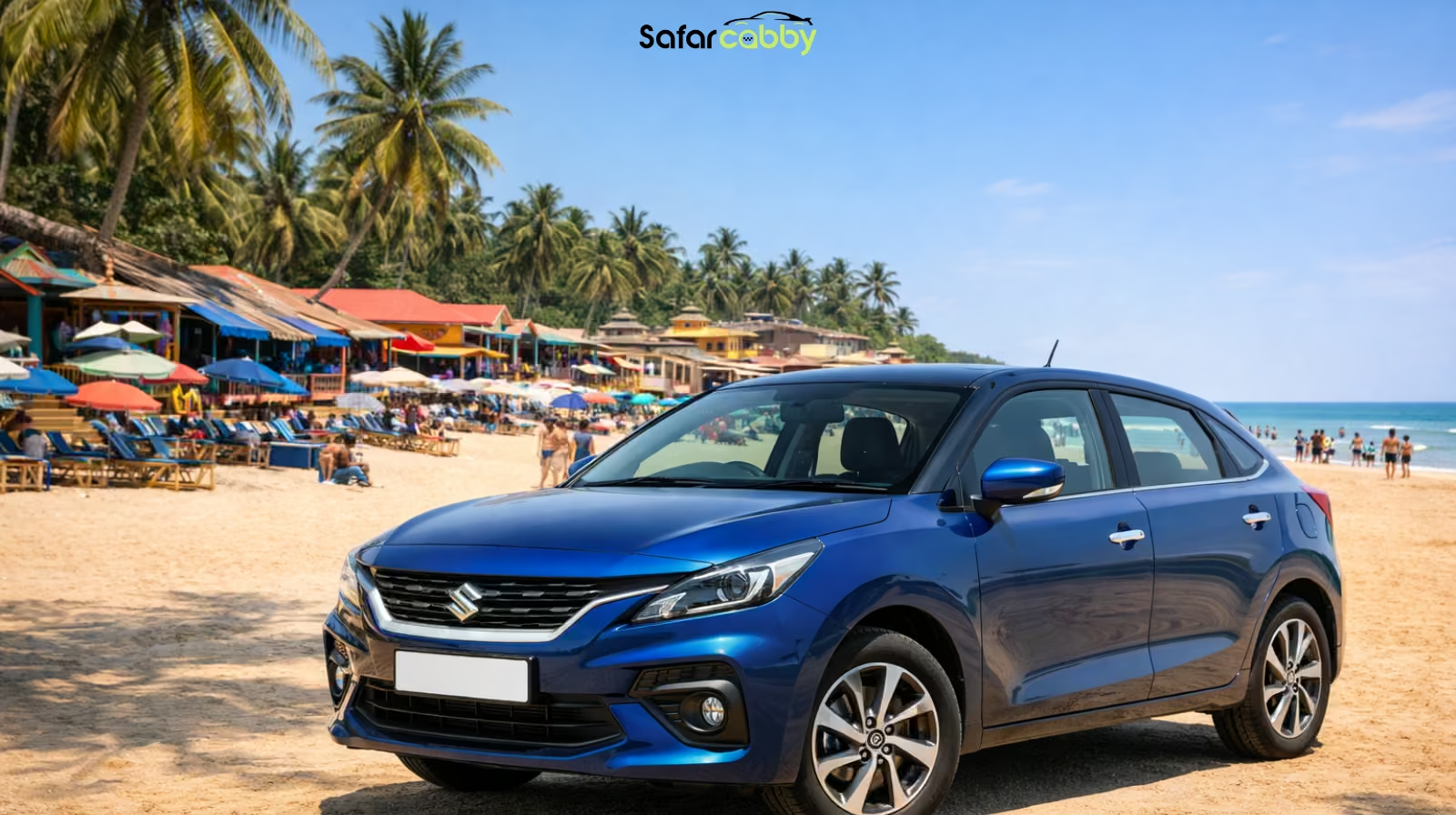
The road network in Goa is reasonably maintained on the main corridors. The NH66 and NH748 carry most of the inter-district traffic. The laterite backroads that connect villages and beaches are narrower and occasionally potholed after the monsoon, but that is precisely where a compact self drive car earns its value. A Maruti Swift or a Brezza handles those roads without drama. A large SUV is more than you need for most Goa driving.
Goa also has the Zuari and Mandovi river ferries - free government services - that cut significant distance off certain routes. The Querim ferry in the far north, the Cavelossim ferry crossing near the Sal river, and the Corjuem island connection near Aldona all make more sense when you have your own car. A cab driver will often route around the ferry to avoid the wait. In a self drive car, the ferry crossing is part of the experience.
What Changes When You Stop Waiting for a Cab
The practical difference between a cab and a self drive car in Goa shows up fastest at the beaches. Most of Goa's best shacks - Curlies at Anjuna, Brittos at Baga, the smaller unnamed shacks at Morjim - are not on any cab driver's preferred route. Getting to them by cab means negotiating a fare each time. Getting back means finding a driver willing to come to a beach road at 11pm. In a self drive car, none of that coordination exists.
Imagine landing at Dabolim on a Thursday evening, picking up a self drive Creta from SafarCabby's airport delivery point, and heading directly to your Candolim guesthouse without a shared transfer or a negotiated cab fare. The next morning, you leave at 6:30am for the Chapora Fort viewpoint before the tour groups arrive. By 9am you are back on the coast road heading north toward Arambol, stopping at the Morjim turtle nesting stretch because you noticed a sign and had the time. No one is waiting. No meter is running. That is what self drive car rental in Goa actually delivers.
SafarCabby's vendor network in Goa includes operators with clearly listed per-kilometre rates and documented fuel policies, so the transparency at booking carries through to the return. Vendors are verified, vehicle conditions are documented at pickup, and the security deposit process is straightforward. For travellers who have dealt with informal Goa car rentals before - where the deposit terms were verbal and the fuel dispute happened at drop-off - the difference is immediate.
Groups travelling together for a Goa trip often split between those who want a self drive car for the flexibility and those travelling with children or older family members who prefer a chauffeur-driven option. For the latter, car rental in Goa with a driver is available through SafarCabby alongside the self drive fleet. For groups of ten or more - bachelor parties, family reunions, wedding convoys - a tempo traveller in Goa keeps everyone in one vehicle without the coordination overhead of multiple cabs.
Popular Self Drive Routes from Goa
Goa to Dudhsagar Falls
The drive to Dudhsagar from Panaji covers about 60 kilometres and takes roughly 90 minutes on the NH748. The approach road through Mollem and the Bhagwan Mahaveer Wildlife Sanctuary is the best part of the drive - dense forest canopy, occasional wildlife sightings, and almost no commercial traffic on weekday mornings. Many travellers book self drive cars from SafarCabby specifically for this route since the falls require a 4x4 or high-clearance vehicle for the final jeep track. A Brezza or Nexon handles the Mollem stretch without issue. Target keyword: self drive from Goa to Dudhsagar.
Goa to Gokarna, Karnataka
Gokarna is approximately 140 kilometres from Panaji on the NH66 - a straightforward coastal highway drive of about 2.5 to 3 hours. The road passes through Karwar and the Kali river estuary, with views that make the drive itself worth the trip. Goa to Gokarna self drive is a popular weekend add-on for travellers who want a quieter beach alternative. SafarCabby's outstation self drive options cover this route with prior approval. Road quality on NH66 is good throughout.
Goa to Dandeli
Dandeli sits about 130 kilometres east of Panaji through the Western Ghats foothills. The drive on NH748 through Anmod Ghat is one of the better mountain road drives accessible from Goa - sharp curves, thick forest, and a genuine sense of elevation change after the flat coastal plains. Road trip from Goa to Dandeli is a natural two-day self drive for wildlife and white-water rafting. Book a compact SUV for the ghat section.
Goa to Coorg, Karnataka
At around 290 kilometres from Panaji, Coorg is a full day's self drive - but a rewarding one. The NH748 to Hubballi and then the state highways through Madikeri are well-maintained. The coffee estate roads in Coorg itself are where a self drive car earns back every rupee of the rental. SafarCabby covers self drive car rentals in Coorg as well, making it possible to plan a multi-city self drive trip with consistent vendor standards.
Goa to Hampi, Karnataka
Hampi is roughly 360 kilometres from Panaji - a longer outstation self drive that works well as a two-night trip. The NH50 through Hubli is the main corridor. Hampi's boulder-strewn roads and spread-out ruins make a self drive car practical once you arrive. The route from Goa to Hampi self drive car rental is a growing search query as more travellers discover the combination of coast and heritage in one road trip.
Panaji to Palolem (Intra-Goa South Run)
The full run from Panaji south through Margao, Benaulim, Cavelossim, and down to Palolem covers about 65 kilometres and can take anywhere from 90 minutes to half a day depending on how many stops you make. The Sal river estuary near Cavelossim and the quiet lanes approaching Agonda are the highlights. Solo travellers covering this stretch sometimes prefer bike rental in Goa for the narrower village roads, but a car makes more sense for families or anyone carrying luggage between guesthouses.
Goa to Kolhapur, Maharashtra
Kolhapur is about 230 kilometres north of Panaji on the NH66. The drive through Sindhudurg district in coastal Maharashtra is underrated - sea views, coconut groves, and minimal traffic outside of summer weekends. Goa to Kolhapur self drive is popular among travellers combining heritage temple visits with the Goa coastal leg.
Weekend Self Drive Trips from Goa
Gokarna and Om Beach
A 2.5-hour coastal highway drive from Panaji, Gokarna delivers everything Goa once promised - uncrowded beaches, cliff paths, and no resort infrastructure. The self drive makes the most sense here because Om Beach, Kudle Beach, and Half Moon Beach are all accessed from different approach roads that no shared cab covers in sequence. Book a self drive car from SafarCabby, drive down Saturday morning, and return Sunday evening on the same NH66.
Dudhsagar and Mollem Forest
A weekend self drive to Dudhsagar works best when you leave Panaji before 7am to reach the forest before the jeep queue builds at the Mollem checkpoint. The drive back through the Bondla Wildlife Sanctuary road adds almost no distance but a completely different landscape. Many travellers use SafarCabby's self drive options for this route specifically because the Mollem approach road requires a vehicle in good condition - verified vendors matter here.
Dandeli Adventure Weekend
Dandeli is the go-to weekend self drive for travellers who want something other than a beach. The Kali river, the forest lodges, and the rafting operators are all within a short drive of each other once you arrive. The ghat road from Anmod requires careful driving - keep speeds low, especially after rain. A Brezza or Creta is the right vehicle. Sedans are fine in dry season but can struggle on the loose gravel near the river camps.
Sawantwadi and Amboli Ghat
Sawantwadi in Maharashtra is only 80 kilometres from Panaji and often overlooked. The town is known for lacquerware crafts and the Moti Talao lake. From there, Amboli Ghat - one of the wettest spots in the Western Ghats - is a 30-minute drive uphill. The waterfall density in Amboli during and just after monsoon (July to September) is extraordinary, and a self drive car is the only practical way to reach the smaller falls off the main road. Goa to Amboli self drive is a half-day or full-day option that almost no tour operator offers.
Hampi Heritage Drive
For the traveller who wants to combine Goa's coast with Karnataka's interior, the Goa to Hampi self drive is a 360-kilometre commitment that pays off over two nights. The ruins require a full day to cover properly, and having your own car means you can reach the Vittala Temple complex by 7am before the crowds arrive. SafarCabby's outstation self drive approval process for this route is straightforward - confirm at booking.
How to Plan Your Goa Self Drive Days
Goa self drive itineraries work best when they are built around the coast direction rather than a point-to-point list. Spend day one in North Goa - Calangute, Baga, Anjuna, and the Chapora Fort loop - and day two pushing south through Panaji's Latin Quarter, Old Goa's churches, and down to Colva or Benaulim. Day three, if you have it, is for the far south: Palolem, Agonda, and the Cabo de Rama fort with its unobstructed sea view.
The full-day self drive rental (8 to 12 hours) is the most popular format in Goa. It gives you enough time to cover a north-to-south coastal loop without rushing. Multi-day rentals make sense if you are staying more than three nights or planning an outstation leg to Gokarna or Dandeli. Hourly rentals (minimum 4 hours) work for travellers based in a single area - say, Calangute - who want to drive to Anjuna and back without committing to a full day.
Documents required for self drive car rental in Goa are standard: a valid Indian driving licence (minimum age 21), an Aadhaar card or passport for KYC, and a refundable security deposit paid at pickup. The full-to-full fuel policy applies across most SafarCabby vendors in Goa - you collect the car with a full tank and return it full. This is the cleanest arrangement and avoids any ambiguity at drop-off.
Self Drive Car Rental Prices in Goa
Self drive car rental in Goa starts at approximately ₹800 to ₹1,000 per day for a hatchback like a WagonR or Swift, and ₹1,400 to ₹1,800 per day for a compact SUV like a Brezza or Creta. Prices vary based on vehicle type, rental duration, whether the trip is local or outstation, and seasonal demand - Goa in December and January commands a premium across all vehicle categories.
| Vehicle Category | Type | Ideal Use Case | Starting Price (Per Day) |
|---|
| Hatchback | WagonR, Swift, Alto | Beach-hopping, local Goa drives, budget travellers | ₹800 – ₹1,000 |
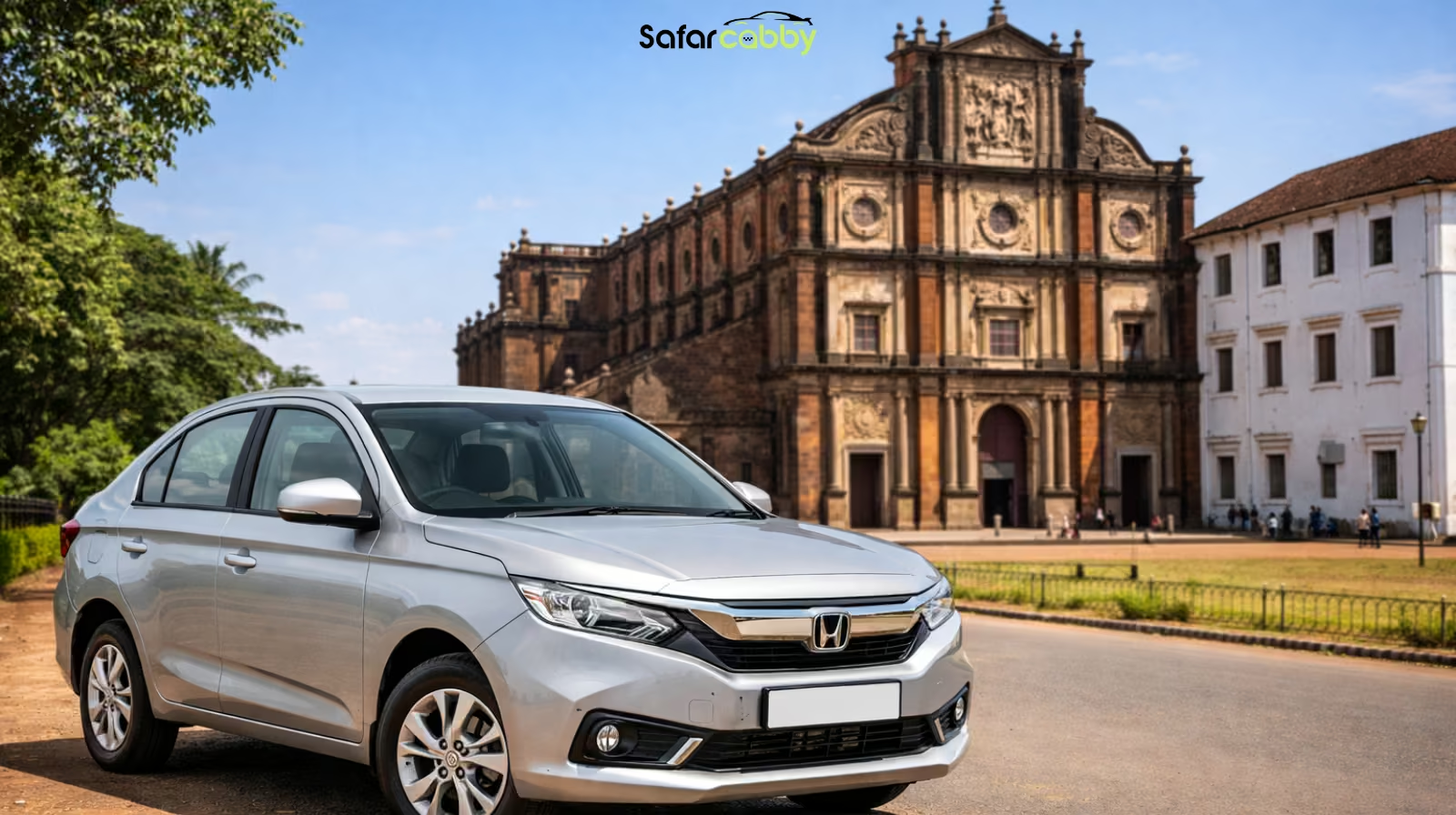
| Sedan | Dzire, Amaze, Etios | Comfortable intra-Goa drives, airport to resort | ₹1,000 – ₹1,300 |
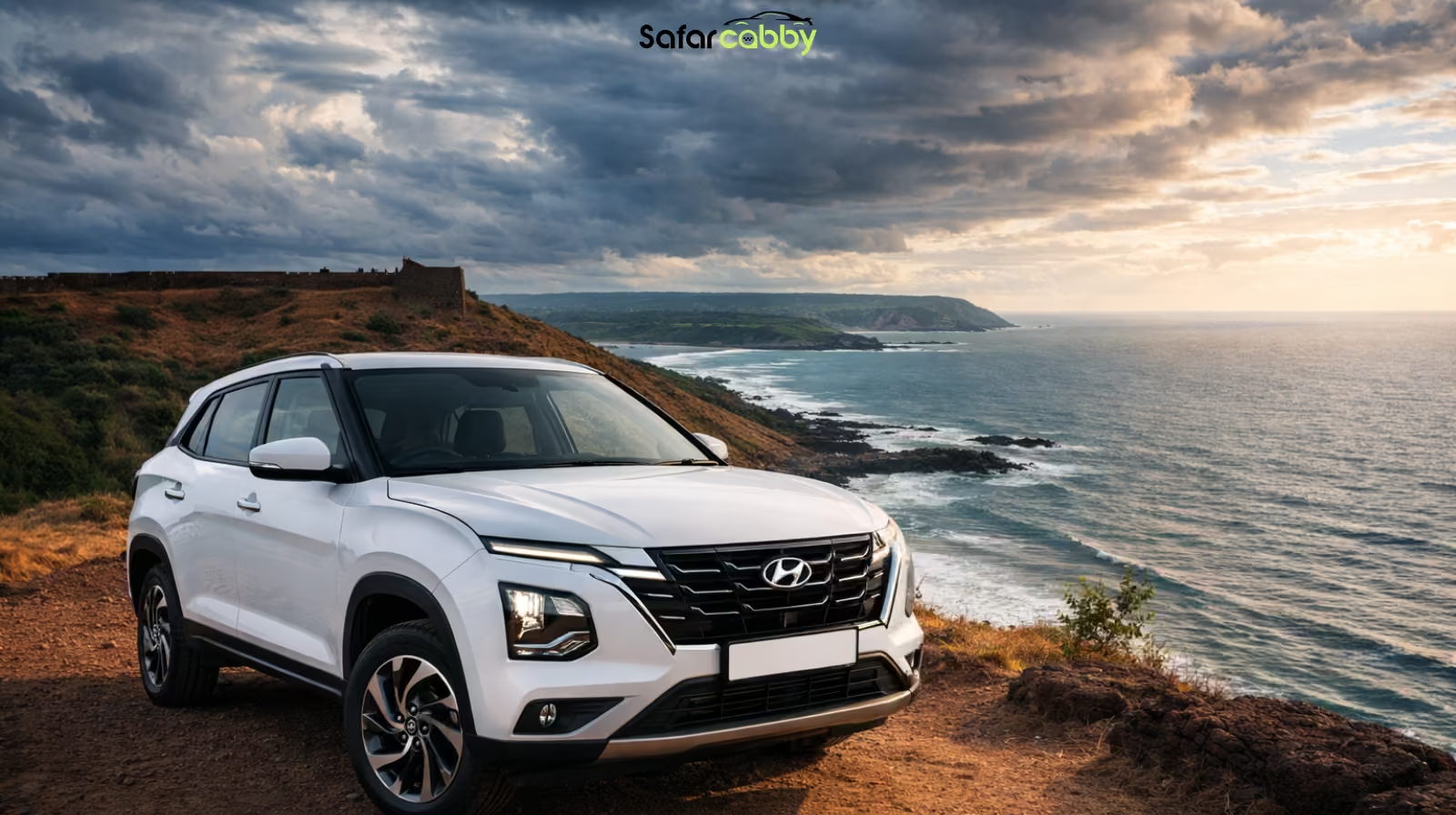
| Compact SUV | Brezza, Creta, Nexon, XUV300 | Dudhsagar, Dandeli ghat roads, South Goa backroads | ₹1,400 – ₹1,800 |
| SUV | Innova Crysta, Scorpio, XUV500 | Outstation drives, group trips, Hampi or Coorg runs | ₹2,000 – ₹2,800 |
Per-kilometre charges apply beyond the included daily limit, which varies by vendor - check the listing before confirming. Security deposits range from ₹2,000 to ₹5,000 depending on the vehicle category and are fully refundable on return in the agreed condition. Peak season (December 20 to January 10, and the Carnival and Shigmo festival windows) sees demand spikes that push prices up across all categories. Booking 5 to 7 days ahead during these periods is advisable. Compare current vendor rates on SafarCabby to find the right fit for your Goa self drive.
Off-the-Beaten-Path Drives in Goa
The Chorla Ghat road in the northeast corner of Goa is one of the state's least-driven scenic routes. It connects Goa to Karnataka through the Western Ghats at an elevation of around 800 metres, passing through thick deciduous forest and a handful of small waterfalls that appear only in the post-monsoon season (October to December). The road is narrow in sections and requires a vehicle with decent ground clearance - a Creta or Nexon is the right call. Most Goa visitors never drive this road. That is the entire point.
The Divar Island ferry crossing from Old Goa is another self drive moment that no cab tour includes. The free government ferry takes cars across the Mandovi river to Divar Island - a quiet, Portuguese-influenced village with almost no tourist infrastructure. The drive around the island takes about 20 minutes and passes through paddy fields and old Goa houses that have not changed in 50 years. You need your own car to make the ferry crossing practical.
Fill up before you leave Panaji for the Chorla Ghat stretch. Fuel stations thin out significantly once you pass Valpoi, and the return leg through Sattari district has no reliable fuel stop for about 35 kilometres. This is the kind of local knowledge that makes a difference on the road - and the kind of detail SafarCabby's Goa vendor network flags at pickup for outstation self drive bookings.
Goa's Beach Roads and the Driving Windows That Matter
North Goa's main beach corridor - the road connecting Calangute, Baga, Anjuna, and Vagator - is genuinely congested between 11am and 7pm from October through March. The same road at 7am is a different experience entirely: empty, fast, and with parking available directly at the beach access points. If you are driving yourself, you control that timing. A cab booked for 10am will put you in the thick of it.
The Mopa airport (Manohar International Airport) in North Goa has created a new self drive dynamic. Travellers landing at Mopa who are headed to South Goa beaches now face a 70 to 90-kilometre drive rather than the old 45-kilometre Dabolim run. A self drive car collected at Mopa airport on arrival makes this transition seamless - no negotiating a metered fare for a long-distance drop, no shared transfer with strangers headed to different resorts.
November to February is the peak self drive season in Goa. The roads are dry, the weather is clear, and the visibility for coastal drives is at its best. March and April are shoulder season - fewer tourists, lower rental prices, and the cashew blossom season on the inland roads near Ponda and Quepem. Monsoon self drive (June to September) is for experienced drivers only - the laterite backroads become slippery, visibility drops on the ghat sections, and some routes near Mollem close temporarily after heavy rain.
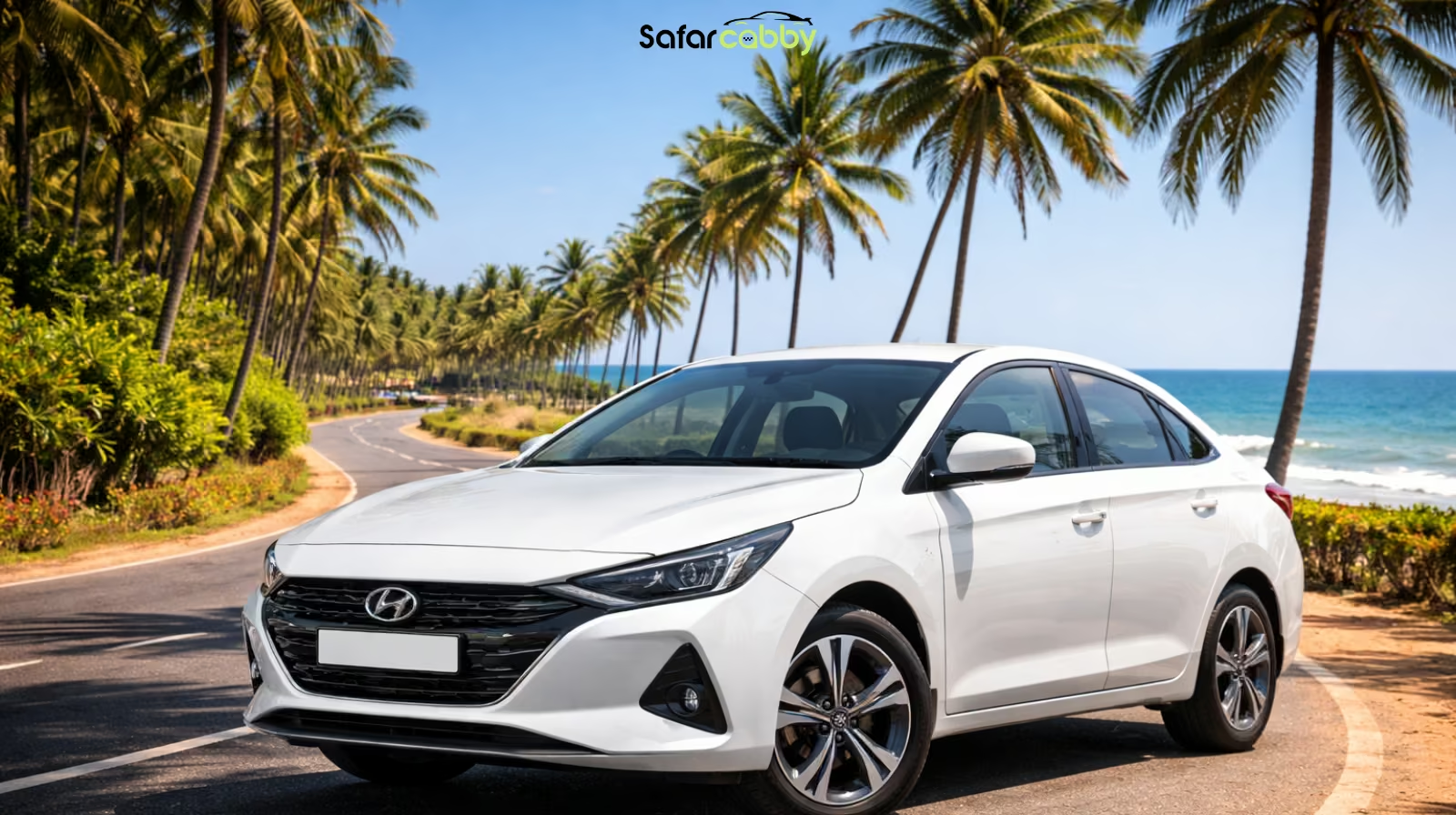
 Trusted
  Verified Self Drive Car